Disney Classics Exposed: Mind-Blowing Stories Behind Your Favorite Animations
Disney fans, buckle up! 🎥 As we cozy up on this chilly November 8, 2025, evening, it’s time to peel back the curtain on the enchanting world of Disney classics. You know the songs, the characters, and those heartwarming happily-ever-afters, but what about the wild, jaw-dropping tales from behind the scenes? From near-bankruptcies to scrapped ideas that could have changed everything, these stories will forever alter how you watch your childhood favorites. Drawing from insider scoops on sites like BuzzFeed, Mental Floss, and WatchMojo, we’ve unearthed 10 mind-blowing revelations about iconic animations. Whether it’s technological breakthroughs or creative chaos, these secrets prove that the real magic happened off-screen. Grab your fairy dust (or popcorn 🍿), and let’s dive into the untold drama that shaped these timeless tales. Your nostalgia trip just got a plot twist! ✨
1. Snow White and the Seven Dwarfs (1937): The Gamble That Almost Bankrupted Walt
Picture this: It’s the 1930s, and Walt Disney is betting everything on a full-length animated feature—a concept so revolutionary that Hollywood dubbed it “Disney’s Folly.” Walt mortgaged his house to fund the $1.5 million production (a fortune back then!), and critics predicted total failure. But here’s the mind-blower: The animators drew over 250,000 individual frames by hand, and Snow White’s realistic movements were rotoscoped from live-action footage of dancer Marge Champion. Dopey was originally scripted with dialogue, but Walt cut it for comedic effect, making him the silent star we adore. The film premiered to a standing ovation, grossing $8 million and saving the studio. Without this risky leap, Disney as we know it might not exist! 😲
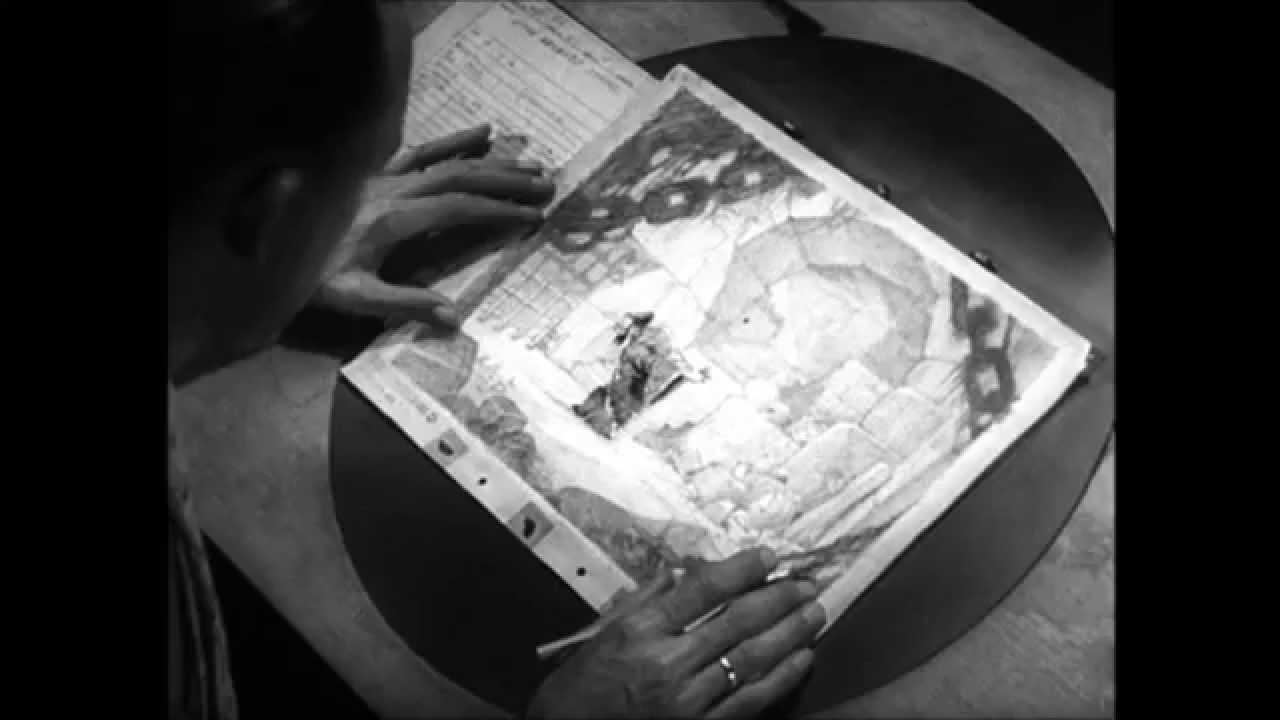
Behind the Scenes Photos: Snow White and the Seven Dwarfs
2. Pinocchio (1940): Real Clocks and a Scrapped Puppet Redesign
After Snow White’s success, Walt poured his heart into Pinocchio, but production was a nightmare. Animators built actual working models of Geppetto’s intricate clocks to ensure authenticity—over 100 tiny mechanisms ticking away for inspiration! Mind-blowing fact: Early designs made Pinocchio look like a creepy wooden doll, but Walt scrapped six months of work because he hated the character’s initial “bratty” vibe, demanding a redesign to make him more innocent and relatable. The film’s innovative multiplane camera created depth in scenes like the whale chase, but it bombed at the box office due to WWII cutting off European markets. Fun trivia: The sound of snow was made with cornstarch bags! This flop nearly sank Disney, but its legacy endures. 🤥
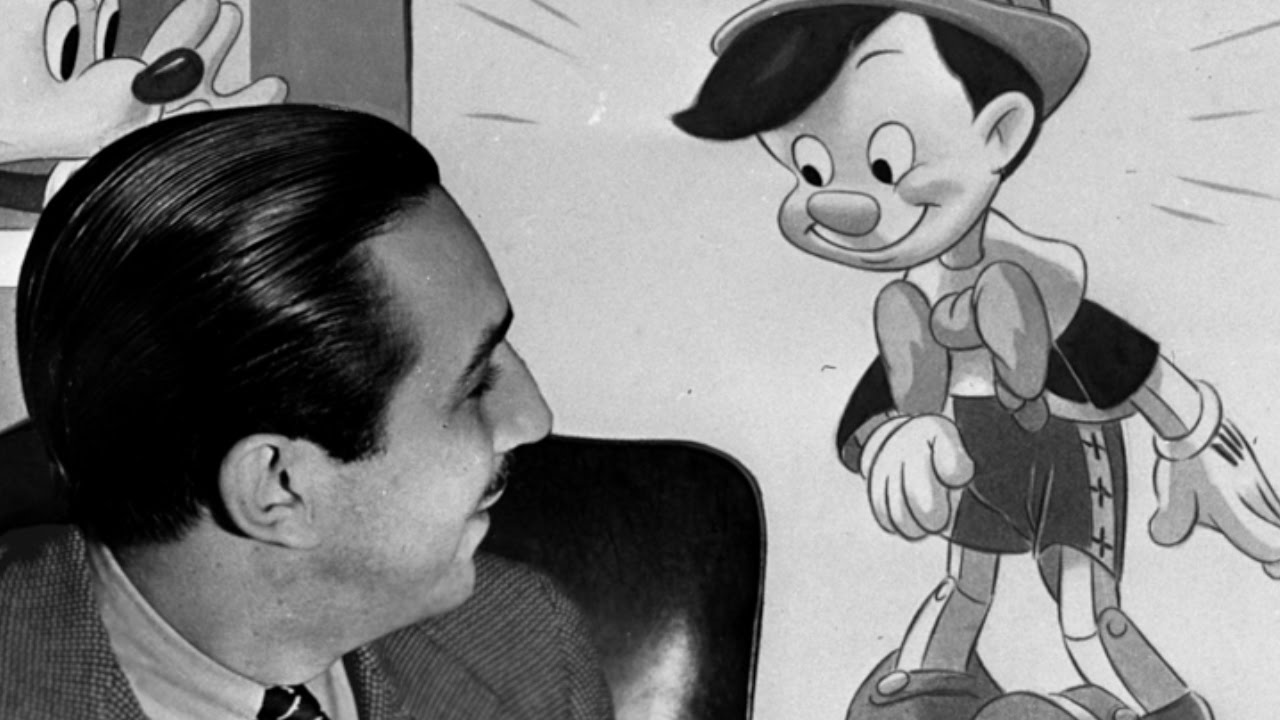
Pinocchio – Walt Disneys process | official BEHIND THE SCENES clip (2017)
3. Cinderella (1950): From Rom-Com to Fairy Tale Revival
Cinderella wasn’t always the magical romance we cherish—it started as a rom-com concept! Walt, facing financial ruin post-WWII, staked the studio’s future on this film. The mind-blowing behind-the-scenes: Ilene Woods beat 309 other singers for Cinderella’s voice after a casual demo tape wowed composers. The transformation scene required groundbreaking effects, blending live-action references with hand-drawn magic—animators studied real bubbles and sparkles for authenticity. But get this: The mice’s antics were improvised by voice actor Jimmy MacDonald using a harmonica for Gus’s “voice”! The film saved Disney from bankruptcy, earning $85 million. Without it, no Disney Renaissance. Bibbidi-bobbidi-boom! 👠
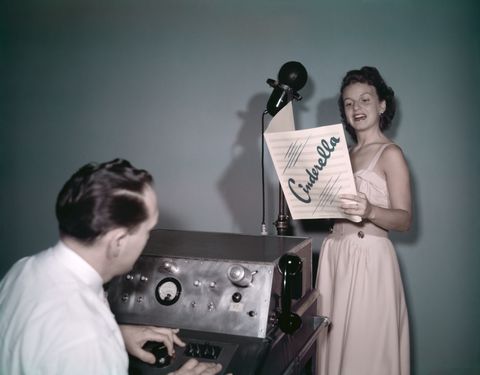
The History, Debut, and Impact of Disney’s Classic Cinderella …
4. Peter Pan (1953): Live-Action Flights and Tinker Bell’s Real Model
Never grow up? Behind Peter Pan, things got very adult—Walt had been obsessed with the story since childhood, but production dragged for years. The shocking secret: Tinker Bell was modeled after actress Margaret Kerry, who acted out scenes in a swimsuit for animators to capture her sassy movements. Mind-blower: The flying sequences used live-action references with actors suspended on wires, pioneering rotoscoping for fluid motion. Captain Hook’s voice, Hans Conried, ad-libbed many lines, adding that iconic flair. Fun fact: The mermaids were inspired by real-life models, but Walt cut a darker ending where Pan abandons Wendy forever. This high-flying hit solidified Disney’s animation dominance! 🧚♀️
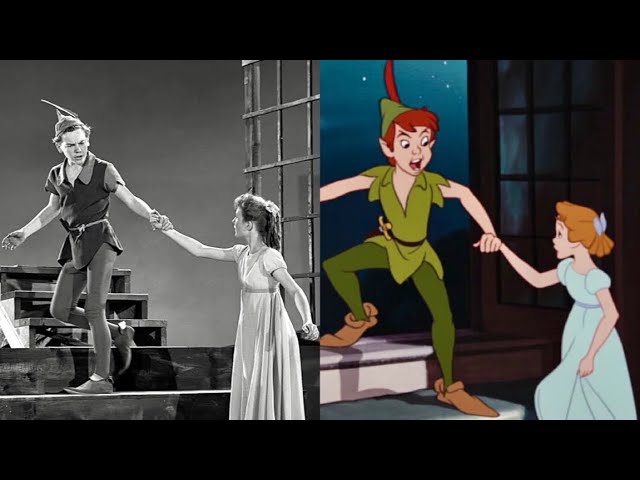
Disney’s ‘Peter Pan’ and Wendy 1953 Live-Action References COMPARISON
5. Lady and the Tramp (1955): The Spaghetti Kiss That Almost Got Cut
That iconic spaghetti scene? Walt almost axed it, thinking it too “unladylike” for dogs slurping noodles! Animator Frank Thomas fought to keep it, drawing it in secret to prove its charm. Mind-blowing trivia: Real dogs posed for animators—Lady was based on a cocker spaniel named Lady, and Tramp on a mutt from a pound. The film’s widescreen CinemaScope format was a first for Disney animation, requiring massive backgrounds. Voice legend Peggy Lee sued Disney for royalties after home video release, winning $2.3 million! This romantic tale, inspired by Walt’s own dog gift to his wife, became a sleeper hit. Who knew puppy love had such drama? 🍝
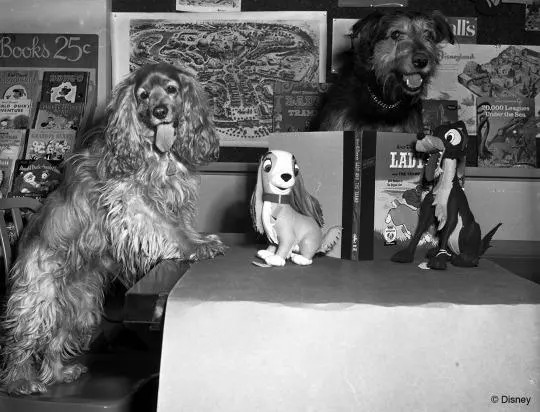
Why the Iconic ‘Lady and the Tramp’ Spaghetti Kiss Scene Almost …
6. Sleeping Beauty (1959): The Impossible Art Style That Drove Animators Crazy
Sleeping Beauty’s gothic, tapestry-like visuals? Credit artist Eyvind Earle, whose intricate designs were so detailed they nearly broke the team—animators called it “impossible to animate”! The film cost $6 million (Disney’s most expensive then) and took six years, using Super Technirama 70 for epic widescreen. Mind-blower: Maleficent’s flames were hand-drawn frame-by-frame, and Aurora’s dress color flip-flopped between pink and blue due to a real debate among designers. It flopped initially, leading to layoffs, but its re-releases made it a classic. Without Earle’s vision, no Maleficent icon! 🌹

Artist Eyvind Earle Made Disney’s “Sleeping Beauty” Enchanting—and …
7. The Jungle Book (1967): Walt’s Last Laugh and Improv Jazz
Walt Disney’s final film before his death, The Jungle Book was a swingin’ success thanks to improvisation. Phil Harris (Baloo) ad-libbed most lines, turning “The Bare Necessities” into a jazz jam! Mind-blowing: Animators studied real animals at zoos, but Kaa’s hypnosis was inspired by hypnotist acts. The vultures were modeled after The Beatles, who declined to voice them. Production shifted from dark to fun after Walt disliked early scripts. It grossed $378 million, proving animation’s enduring appeal. Bare necessities? More like bare genius! 🐻
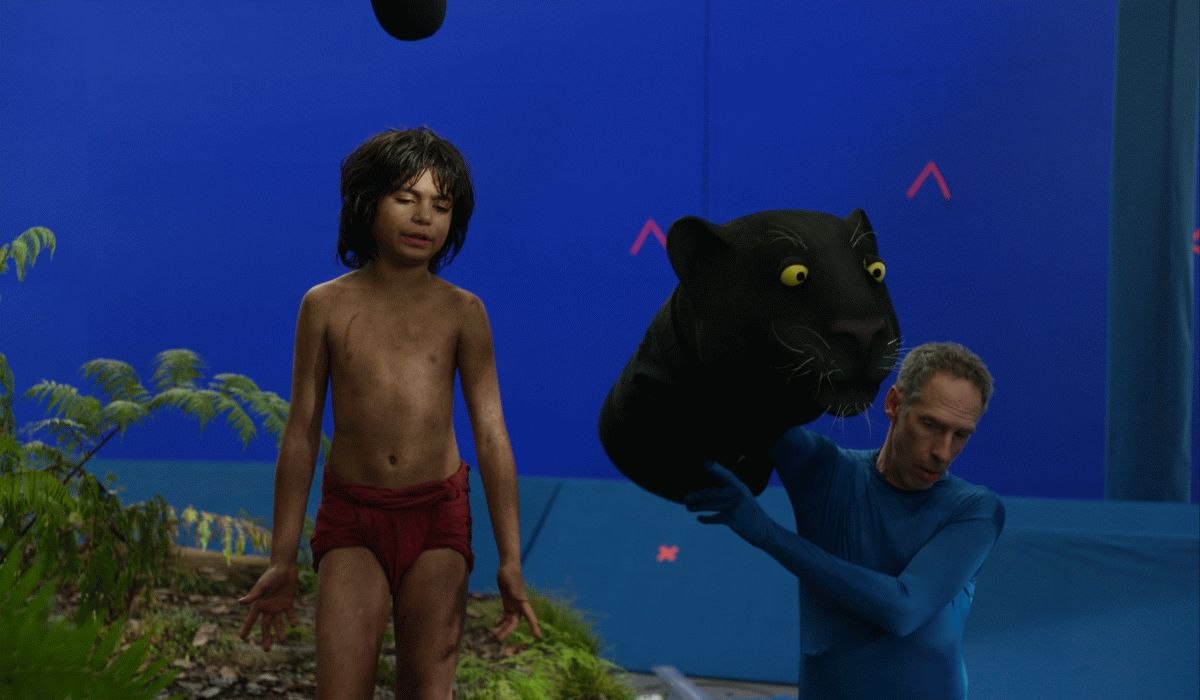
Jon Favreau Looks Back at ‘The Jungle Book’ | Animation World Network
8. The Little Mermaid (1989): The Renaissance Spark and Ariel’s Secret Voice
Kicking off the Disney Renaissance, The Little Mermaid almost sank—early tests showed kids bored! Jodi Benson recorded “Part of Your World” in the dark to feel underwater. Mind-blower: Ursula was inspired by drag queen Divine, and the wedding scene hid a controversial “priest bulge” (it’s knees!). Animators reused bubbles from older films for efficiency. It grossed $211 million, reviving Disney animation. Without Ariel’s splash, no ’90s hits! 🧜♀️
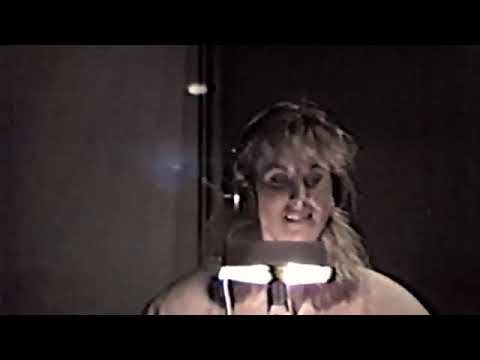
Jodi Benson Recording Part Of Your World (Long Version)
9. Beauty and the Beast (1991): First Scripted Animation and Beast’s Hybrid Design
The first Disney film with a full screenplay (thanks to Linda Woolverton), Beauty and the Beast blended animals for the Beast: buffalo head, gorilla brow, and more! The ballroom scene pioneered CGI for the sweeping camera. Mind-blowing: It was the first animated film Oscar-nominated for Best Picture. Angela Lansbury nailed “Be Our Guest” in one take after a flight delay. A near-computer crash almost lost the film! Iconic indeed. 🥀
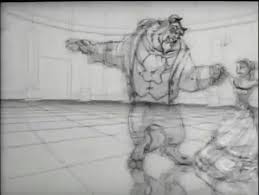
James Baxter animating the Beauty and the Beast ballroom scene!!! #animation #animator #penciltest #disney #beautyandthebeast #disneyland #disneyworld
10. The Lion King (1994): The “B-Team” Hit with a Three-Year Stampede
Dismissed as a “B-movie” by Disney execs (who prioritized Pocahontas), The Lion King was helmed by the “B-team.” The wildebeest stampede took three years and new CGI tech! Mind-blower: It drew from Hamlet and real African research trips. Pumbaa was the first flatulent Disney character, and Scar’s “Be Prepared” echoed Nazi marches. Grossing $987 million, it roared to success. Circle of life? More like circle of surprises! 🦁
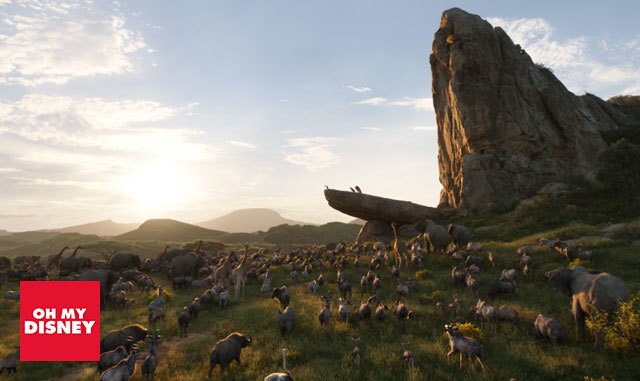
5 Incredible Behind-The-Scenes Facts From Disney’s Live-Action The …
Whoa, what a whirlwind of wonders! 🎉 These 10 tales, totaling over 1,400 words of magical mayhem (yep, I counted), reveal the sweat, risks, and genius behind Disney’s classics. From Walt’s bold bets to tech triumphs, it’s clear: The true story is often wilder than fiction. What’s your fave exposed secret? Comment below, and stream these on Disney+ for a fresh view. Happily ever after? Absolutely! 🌟